
Halloween
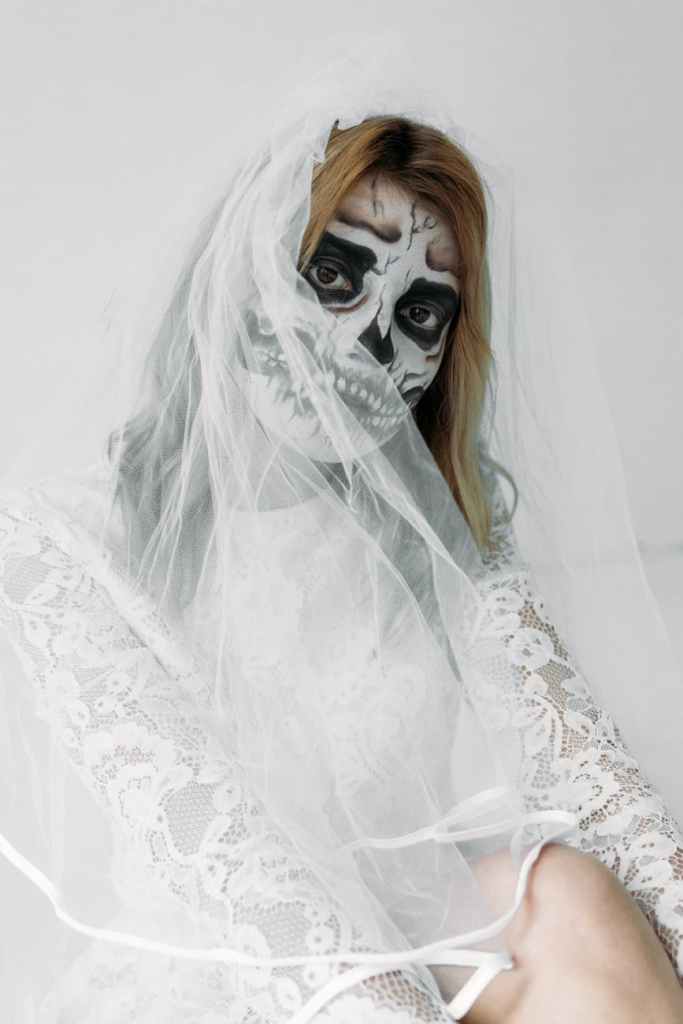
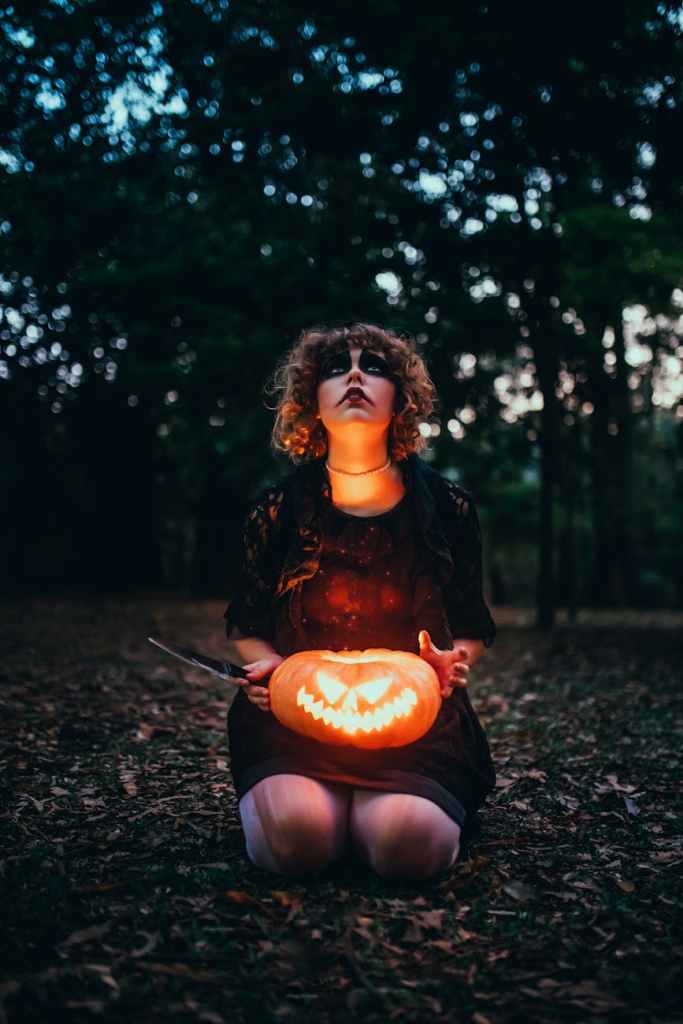
Halloween, celebrated on October 31st, is a festive occasion rooted in ancient Celtic traditions. Originally known as Samhain, it marked the end of the harvest season and the beginning of winter. Over time, it evolved to include customs such as dressing in costumes, carving pumpkins, and trick-or-treating. Today, Halloween is widely observed with spooky decorations, haunted houses, and various community events, making it a favorite holiday for children and adults alike.
Despite its popularity, some people choose not to celebrate Halloween due to personal, religious, or cultural reasons. For some, the holiday’s origins and associations with the supernatural conflict with their religious beliefs. Others may avoid Halloween due to its emphasis on fear and horror, preferring not to expose themselves or their children to these themes. Additionally, some cultures have different traditions and celebrations around the same time of year, which may take precedence over Halloween.
Moreover, concerns about safety and commercialization also lead some individuals to opt out of Halloween festivities. Parents might worry about the risks associated with trick-or-treating, such as safety in neighborhoods or the consumption of unhealthy candy. Others feel that the holiday has become overly commercialized, detracting from its original meaning and turning it into a consumer-driven event. These various factors contribute to the decision of some to refrain from participating in Halloween activities.
 Talk-2-Me